
Our Services
Grease Trap Cleaning Services
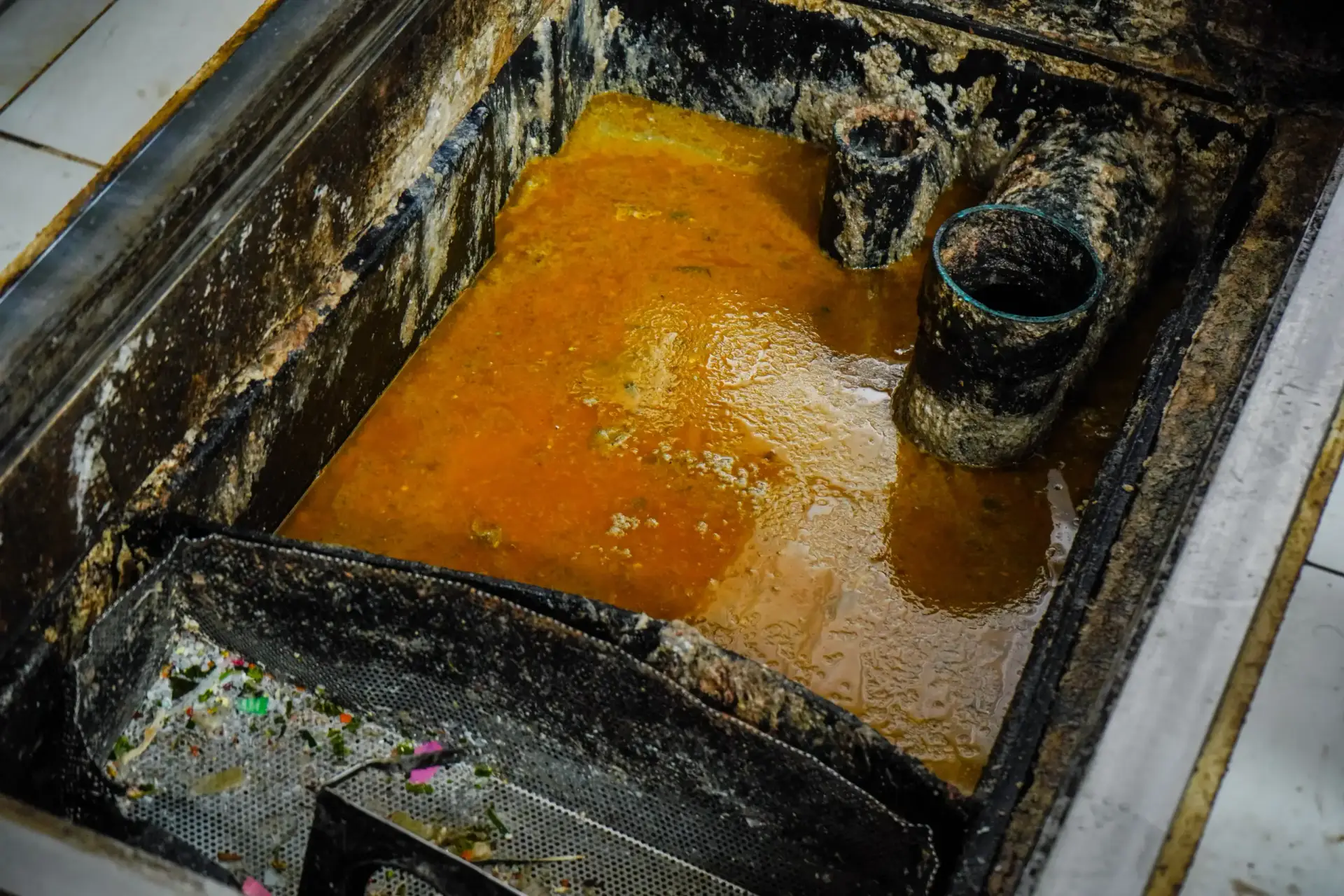
Grease traps play a critical role in preventing fats, oils, and grease (FOG) from entering sewer systems. Without regular cleaning, they can clog, create unpleasant odors, disrupt business operations, and lead to expensive repairs or compliance issues.
01
Grease Trap Cleaning for Commercial Kitchens & Food Service
Our professional grease trap cleaning removes accumulated grease, sludge, food waste, and debris to keep your drainage system operating efficiently. We help restaurants, commercial kitchens, food processing facilities, cafeterias, and other food service establishments maintain clean, compliant, and reliable plumbing systems.
02
What Is a Grease Trap?
A grease trap is a plumbing device designed to capture fats, oils, and grease before they enter sewer lines. As wastewater flows through the trap, grease rises to the surface while solids settle at the bottom. Over time, these materials accumulate and must be removed through routine cleaning.
Without regular maintenance, grease traps can become overloaded, resulting in blockages, foul odors, slow drains, and sewer backups.
Benefits
Why Grease Trap Cleaning Is Important
Routine grease trap cleaning helps protect your plumbing system, reduce maintenance costs, and maintain compliance with local regulations.
- Prevents drain and sewer line blockages
- Eliminates unpleasant odors
- Reduces risk of costly backups
- Improves kitchen sanitation
- Helps maintain regulatory compliance
- Extends the life of plumbing systems
- Minimizes emergency service calls
- Keeps kitchen operations running smoothly
Regular grease trap maintenance is one of the most effective ways to avoid disruptions and protect your business.
Warning Signs
Signs Your Grease Trap Needs Cleaning
Many grease trap issues develop gradually. Common warning signs include:
- Slow-draining sinks
- Foul odors near drains or grease traps
- Frequent drain backups
- Excess grease buildup
- Standing water near floor drains
- Gurgling sounds in plumbing systems
- Overflowing grease traps
- Increased pest activity
If you notice any of these symptoms, professional grease trap cleaning may be needed right away. Call 812-579-5974.
Our Process
Our Grease Trap Cleaning Process
Our technicians follow a thorough cleaning process to ensure your grease trap functions properly.
STEP 1
Inspection
We inspect the grease trap and associated plumbing components to evaluate grease accumulation and identify potential issues.
STEP 2
Pumping & Removal
Accumulated fats, oils, grease, sludge, and food waste are removed from the grease trap.
STEP 3
Cleaning
The trap interior is cleaned to remove remaining residue and buildup that can affect performance.
STEP 4
System Evaluation
After cleaning, we inspect the trap and plumbing connections to confirm proper operation and note any maintenance concerns.
Our goal is to restore optimal performance while helping prevent future problems.
Who We Serve
Commercial Grease Trap Cleaning Services
We provide grease trap cleaning for a wide range of facilities, including:
Whether you operate a single location or multiple facilities, we can help maintain reliable grease management systems.
Scheduled Service
Preventive Grease Trap Maintenance
Routine maintenance is often more cost-effective than emergency service. Scheduled grease trap cleaning helps reduce the risk of unexpected blockages, plumbing failures, and operational disruptions.
Our preventive maintenance programs are designed to keep grease traps functioning properly year-round while helping businesses maintain compliance with local requirements.
Why Snyder’s
Why Choose Our Grease Trap Cleaning Services?
- Experienced technicians
- Professional cleaning equipment
- Prompt and reliable service
- Flexible maintenance schedules
- Commercial kitchen expertise
- Thorough inspections and cleaning
- Compliance-focused solutions
- Honest recommendations and transparent communication
We are committed to helping businesses maintain safe, efficient, and reliable grease management systems.
FAQ
Frequently Asked Questions
How often should a grease trap be cleaned?
Cleaning frequency depends on the size of the trap and the volume of grease generated. Many commercial kitchens require cleaning every one to three months, though some facilities may require more frequent service.
What happens if a grease trap is not cleaned?
Neglected grease traps can cause drain blockages, sewer backups, foul odors, plumbing damage, health concerns, and regulatory violations.
Can grease trap cleaning help eliminate odors?
Yes. Removing accumulated grease, sludge, and food waste is one of the most effective ways to reduce unpleasant odors associated with grease traps.
Do grease traps help protect sewer systems?
Yes. Grease traps prevent fats, oils, and grease from entering municipal sewer systems, where they can contribute to blockages and infrastructure problems.
Helpful Links
County Health Departments & GIS Maps
Permits, records, and property maps for the counties we serve.
Elevate maps Brown CountyHealth Department
GIS maps Decatur CountyHealth Department
GIS maps Jackson CountyHealth Department
GIS maps Jennings CountyHealth Department
GIS maps Johnson CountyHealth Department
GIS maps Shelby CountyHealth Department
GIS maps
Customer Reviews
What our customers say
★★★★★
“The only company I use for a 800 site community.”
SES Customer Review
★★★★★
“Snyder's had helped us out a number of times over the last 10 years. They are fast and do a great job.”
SES Customer Review
Schedule Grease Trap Cleaning Today
Protect your business from costly plumbing issues and keep your kitchen operating efficiently. Contact our team to schedule service or learn more about preventive maintenance programs designed for your facility.